
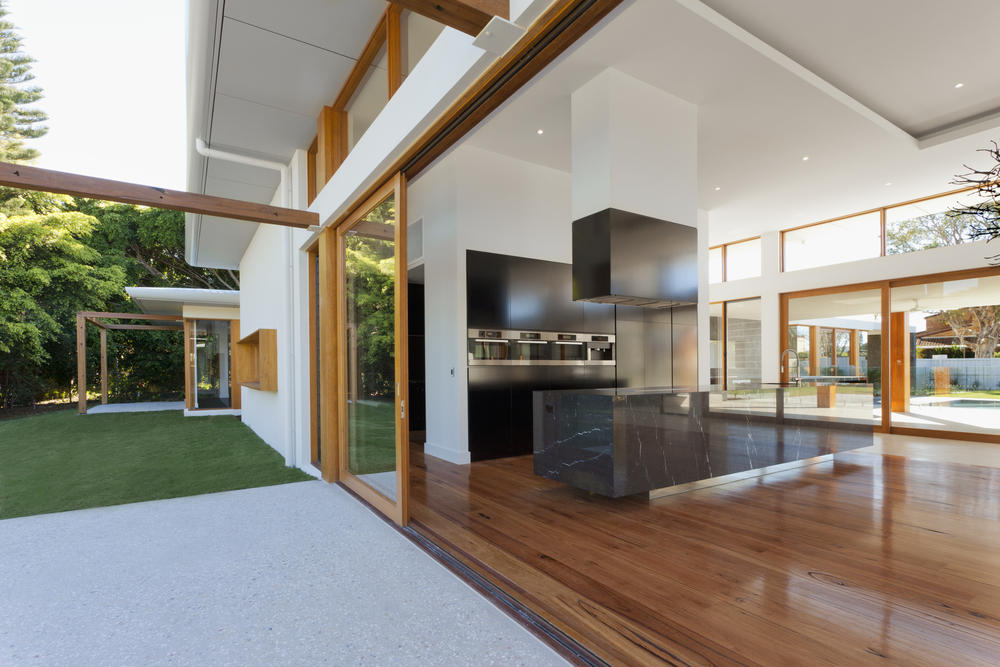
project gallery prevailing homes https://www.prevailinghomes.com.au/project-gallery/ The project gallery prevailing homes presents is more than a portfolio; it is a visual narrative of how considered design, regional sensitivity, and skilled craftsmanship come together to create lasting homes. Each image and project note captures practical solutions, aesthetic choices, and the human stories behind them, allowing prospective homeowners and industry professionals to evaluate real-world results before making design decisions.
Prevailing Homes’ gallery highlights a broad spectrum of architectural directions, from compact urban townhouses to expansive family residences and contemporary coastal retreats. The diversity on display underscores the company’s ability to adapt core design principles — light, flow, and material honesty — to varied site conditions and lifestyle requirements. Browsing the gallery, viewers gain insight into how facades respond to orientation, how floor plans prioritize circulation and privacy, and how outdoor living is integrated into daily life.
One of the most valuable aspects of a project gallery is the transparency it offers. Photographs document finishes, built-in storage solutions, kitchen layouts, joinery details, and landscaping integration. Close-up images of materials show surface textures and color relationships, while floor plans and short project summaries explain how spaces are organized and why certain decisions were made. This level of detail helps clients set realistic expectations and fosters better conversations with designers and builders.
Many projects featured by Prevailing Homes demonstrate a contemporary Australian vernacular: generous glazing to capture natural light, deep eaves to moderate sunlight, and an emphasis on indoor-outdoor connections. Materials commonly seen across the gallery include warm timber cladding, durable masonry, engineered stone countertops, and neutral palettes punctuated by bold accents. These choices reflect both aesthetic preferences and practical durability suited to local climate conditions.
Craftsmanship is consistently prominent. The gallery showcases tight detailing at connections, precise joinery in cabinetry, and coherent transitions between materials. Such attention to detail contributes not only to appearance but also to long-term performance. Well-executed details reduce maintenance, enhance energy performance, and create tactile experiences that reinforce occupant satisfaction with their homes.
Sustainability is another recurring theme. Many projects incorporate passive design strategies: cross-ventilation, passive solar orientation, thermal mass where appropriate, and well-considered insulation levels. Energy-efficient fixtures, LED lighting, low-flow plumbing, and options for solar PV installations are often highlighted in project notes. Prevailing Homes tends to integrate sustainable decisions that are cost-effective and sensible for the typical homeowner rather than opting for high-cost solutions that might not offer proportional long-term benefit.
Client stories and testimonials accompanying image galleries offer context beyond aesthetics. They explain the client brief, site challenges, and how the final design resolved priorities like budget constraints, future expansion, or accessibility requirements. These narratives help prospective clients see how the design process unfolds and what collaborative relationships between homeowner, designer, and builder look like in practice.
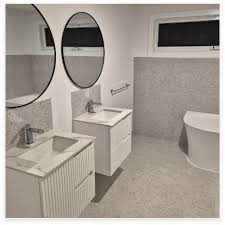
For homeowners unsure where to start, the gallery functions as a research tool. It is useful to create a shortlist of projects that resonate with your taste and then note recurring elements: do you prefer open-plan living or defined rooms? Are natural materials or sleek modern surfaces more appealing? Do you value formal gardens or minimal maintenance yards? Comparing multiple completed projects helps clarify priorities and facilitates productive initial meetings with design professionals.
Architects and builders also benefit from the gallery as a measure of prevailing standards and emerging trends. The collection demonstrates how certain design moves are being successfully executed, and it can inspire detailing solutions or material combinations adaptable to other projects. For industry professionals, a gallery is both a marketing asset and a knowledge resource, showing realistic outcomes and helping manage client expectations.
When evaluating a project gallery, consider the following practical tips: look for multiple photographs of each project including exterior, interior, plan, and detail shots; read the project descriptions to understand constraints and client needs; compare similar project types to assess consistency of quality; and pay attention to how spaces are furnished to understand scale and proportion. Asking your builder for references or site visits to recent projects can also provide firsthand impressions beyond curated photos.
Prevailing Homes places emphasis on adaptability within its designs. Whether a family anticipates growth, a couple plans for aging in place, or a buyer hopes to rent parts of their property, the gallery includes examples that demonstrate flexibility. Features like adaptable room layouts, provisions for future plumbing and electrical expansion, and robust but simple circulation patterns make homes resilient to changing needs without extensive renovations.
Lighting and landscaping are often understated contributors to the success of a project. The gallery photographs reveal how natural and artificial light are orchestrated to define mood and usability, and how planting schemes complement the architecture while addressing privacy and microclimate issues. Thoughtful exterior design enhances curb appeal and increases the long-term value of a property.
In conclusion, the project gallery prevailing homes curates a comprehensive view of what Prevailing Homes delivers: practical, well-detailed, and attractive homes that respect context and client needs. For anyone planning a new build or renovation, the gallery is an indispensable starting point — an honest record of past work that informs future decisions. Use it to refine your brief, gather material and layout ideas, and to form the right questions to ask during early consultations.
If you are preparing to commission a home, take time to study completed projects, note what resonates, and prepare a realistic brief that captures your priorities. A gallery like the one provided by Prevailing Homes is not only inspirational; it is a roadmap showing how good design and careful construction translate into comfortable, enduring living environments.